Loading...
Decision-Ready Customer Truth
in 48 Hours.
No agency timelines. No survey guesswork. AI voice interviews that capture what customers actually feel, so you can fix churn, sharpen messaging, and unblock pipeline, with every finding traceable to its source.
Insights in hoursUnder 1% of agency costEvery finding traceable
Start 3‑Minute Live Test DriveFree plan: 10 interviews/mo, no credit card
What you're doing today
$25–30K
per qualitative study
6–8 weeks
from brief to findings
15–30%
survey response rate
With ReadingMinds
$399
for 200 voice interviews
48 hours
from launch to cited insights
90%+
completion rate
Trusted by Customer Success, Product, and Marketing teams at growth-stage and enterprise B2B companies
What ReadingMinds Does for Your Team
Not features. Outcomes that show up in your revenue, your retention, and your next board deck.
48 Hours, Not 8 Weeks
Emma conducts dozens of voice interviews in parallel with adaptive probing. Launch a study in the morning, get cited insights the next day. A study that costs $25–30K via traditional agencies costs $399 with ReadingMinds.
Insights in 48hrs vs. 6 weeks previously
Head of Product, $40M ARR Growth-Stage Fintech
Emotional Depth, Not Surface Sentiment
Emma detects neutral signals in accounts that still score 7–8 NPS. She notices the hesitation before a polite answer, the enthusiasm behind a real commitment, or the confrontational emotion that signals a decision to leave was already made.
3 at-risk accounts caught in week 1
VP of Customer Success, $85M ARR B2B SaaS
Every Finding Traceable to Its Source
Click any insight in a ReadingMinds report and see the exact customer quote, timestamp, and emotion tag. No black boxes, no hallucinations, no 'where did this come from?' questions in the Executive Leadership Team meeting.
100% cited findings for C-suite presentations
Director of Market Research, $500M Enterprise Software
Experience it yourself. 3 minutes.
Talk to Emma, get your emotion-tagged report, and decide with evidence.
Start 3‑Minute Live Test DriveReadingMinds Product Demo
How It Works
Surveys, NPS, and focus groups miss it entirely. Not keyword sentiment. Not self-reported mood. Voice signal analysis that captures what words alone hide. This is the foundation of the ReadingMinds Emotional Fingerprint™.
Customer said:
“Support's been fine.”
Emma detected:
Neutral / Intensity Score 5/9
Likely truth: “I don't feel taken care of anymore.”
She decided to leave three months ago. The survey just documented the exit. Now you can fix the relationship, not just the ticket queue.
What You Get: Inside a ReadingMinds Report
Not a slide deck where research goes to die. A real-time, updated report with every finding traceable to its source.
Executive Summary
Board-ready overview with key findings, risk signals, and recommended actions.
Theme Clusters
Auto-grouped by topic with emotion tags showing how participants felt about each theme.
Segment Breakdowns
Compare emotional patterns across customer cohorts, industries, or account tiers.
Cited Quotes
Every finding links to the exact customer quote with timestamp and intensity score.
PEP Scores
Purchase Enthusiasm Potential scores by segment: a leading indicator of intent and churn risk.
Structured Data Export
CSV and API-ready output for your CRM, BI tools, or data warehouse.
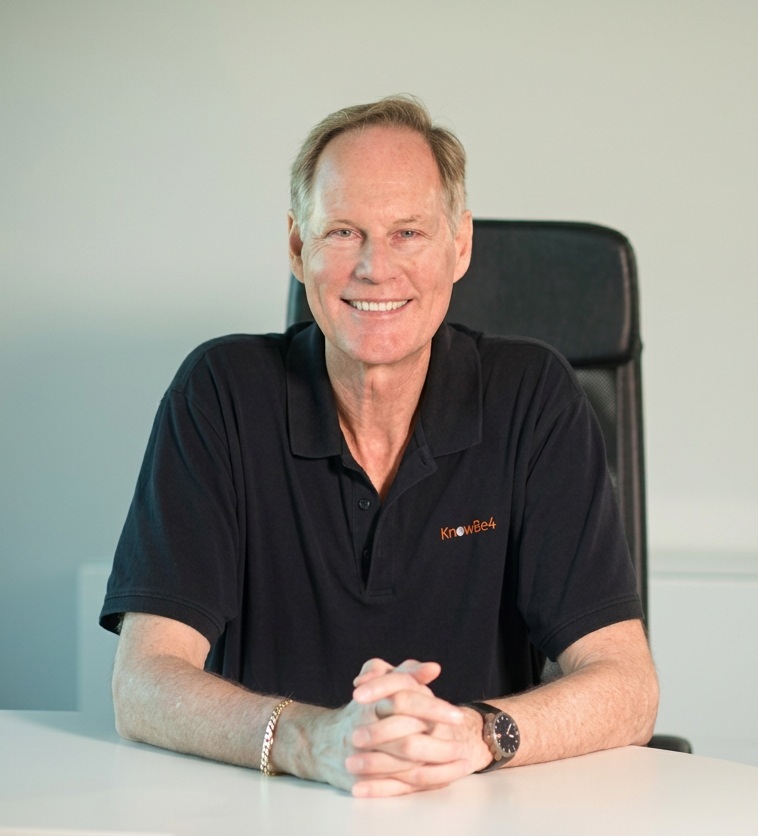
Every company says they listen to customers. Very few really are able to. We built ReadingMinds because the most important signal in a customer conversation is not what they say; it's how they say it. The pauses, the hesitation, the shift in energy. That's where the truth lives, and that's what we capture.
Stu Sjouwerman
CEO, ReadingMinds
Why Voice, Not Video
Most AI interview platforms default to video. We chose voice deliberately. Here is why.
Cameras trigger performance bias
Participants self-censor on video. They perform for the camera, soften criticism, and filter honesty. Voice removes the stage and lets candor surface.
Emotion hides in tone
Sadness, anger, and enthusiasm live in pacing, word choice, and vocal inflection. Voice allows for faster and more reliable isolation of emotional signals.
3 minutes, not 30
No scheduling, no lighting checks, no “can you see my screen?” Participants talk from anywhere in under 3 minutes. That is why completion rates exceed 90%.
Questions Buyers Ask Before They Start
Do people actually talk to an AI? What’s the response rate?
We see excellent completion rates. Participants often prefer an interactive voice chat over a boring form. It feels like a conversation instead of a chore. 93–97% of participants say the AI experience feels as good as a human moderator.
Are people more honest with an AI than a human interviewer?
Surprisingly, many people open up more. An AI won’t judge or rush them, so participants feel comfortable being candid. It’s like talking to a patient, curious listener; we often get frank insights that might have been watered down for a human.
How do you avoid AI hallucinations in the insights?
We’re strict about traceability. Every insight ties directly to customer quotes; you can click from a finding to the exact supporting language. If it can’t be supported by what customers actually expressed, it doesn’t belong in the findings. No black box.
What languages do you support?
At launch we support English (American and British dialects). We’re already working on adding more languages: emotion is universal, and we’re training Emma to recognize cultural nuances as we expand. Global language support is on the near-term roadmap.
More Questions
We ship every week. See the latest product updates →
Start Your First Study for Free
10 voice interviews, full emotion analysis, cited report. No credit card, no sales call, no commitment.
Every quarter without voice data is another quarter misdiagnosing churn.